Honeycomb Paper Machine for Packaging
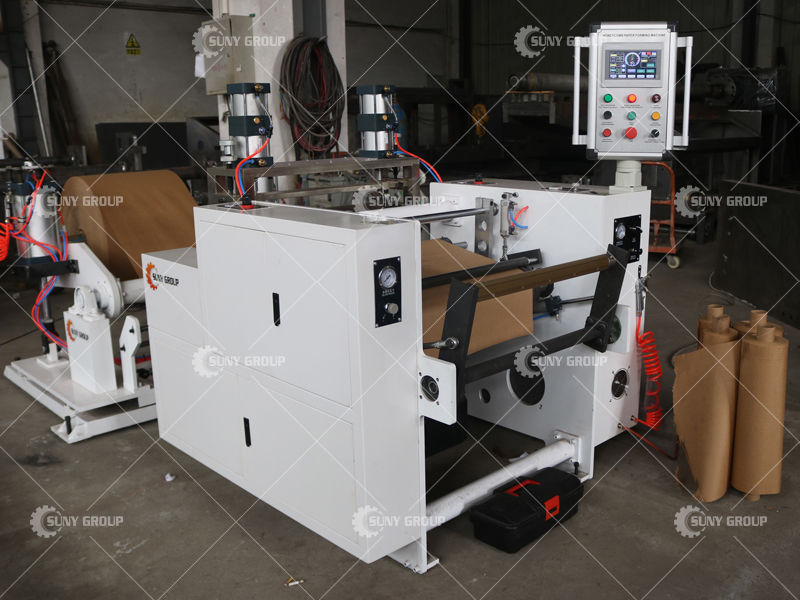
As businesses increasingly seek sustainable alternatives to plastic packaging, honeycomb paper for packaging has become a popular protective material. Its lightweight structure, cushioning performance, recyclability, and flexible application make it suitable for e-commerce, logistics, electronics, furniture, glassware, ceramics, and other industries. A honeycomb paper machine converts kraft or suitable recycled paper into a three-dimensional honeycomb structure for efficient packaging production.
Why Is Honeycomb Paper an Eco-Friendly Packaging Material?
Honeycomb paper is considered an environmentally friendly packaging solution because it is primarily paper-based rather than plastic-based. Kraft paper, the most common raw material, is produced from wood pulp and provides good tensile strength, flexibility, and tear resistance. Some production systems can also process suitable recycled paper, depending on the machine and product requirements.
Compared with plastic bubble wrap and foam cushioning, paper honeycomb packaging can reduce dependence on petroleum-based materials. It is also recyclable and biodegradable under appropriate waste-management conditions. The three-dimensional honeycomb structure creates air-filled cells that provide cushioning while using relatively little material.
What Is the Raw Material of Honeycomb Paper?
The main raw material is kraft paper, typically supplied in rolls. When selecting paper, manufacturers should consider:
- Paper grammage: The appropriate GSM depends on the required cushioning strength and machine specifications.
- Tensile strength: Stronger paper helps produce stable honeycomb cells.
- Paper moisture: Stable moisture improves forming and reduces wrinkles or deformation.
- Roll width and diameter: These must match the machine’s unwinding system.
- Recycled content: Recycled paper may improve sustainability, but its strength and consistency must meet production requirements.
Water-based adhesive may also be used in some honeycomb paper production systems, particularly for bonded honeycomb structures.
How Does a Honeycomb Paper Machine Work?
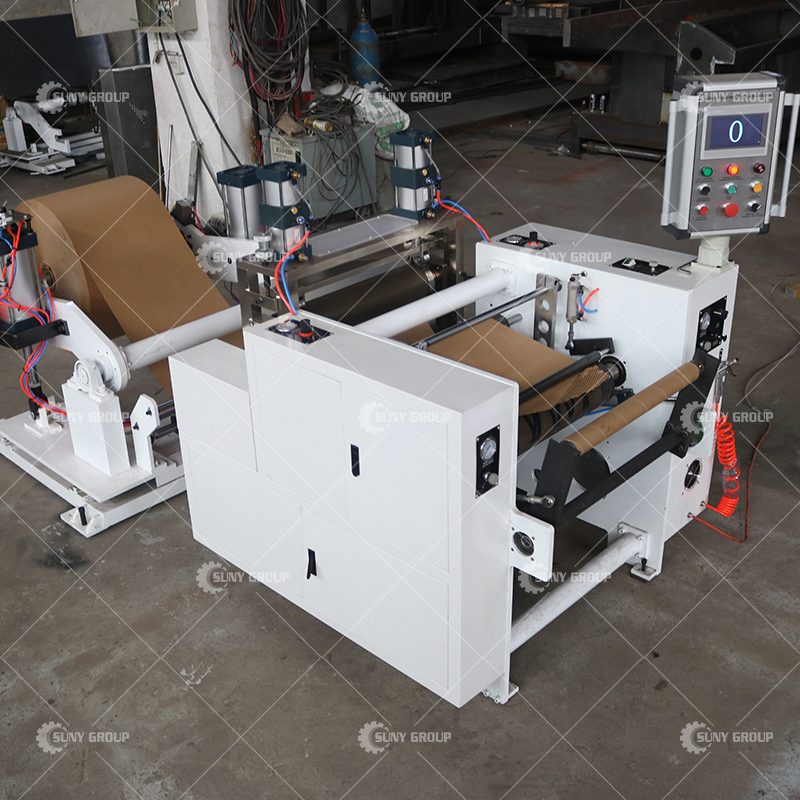
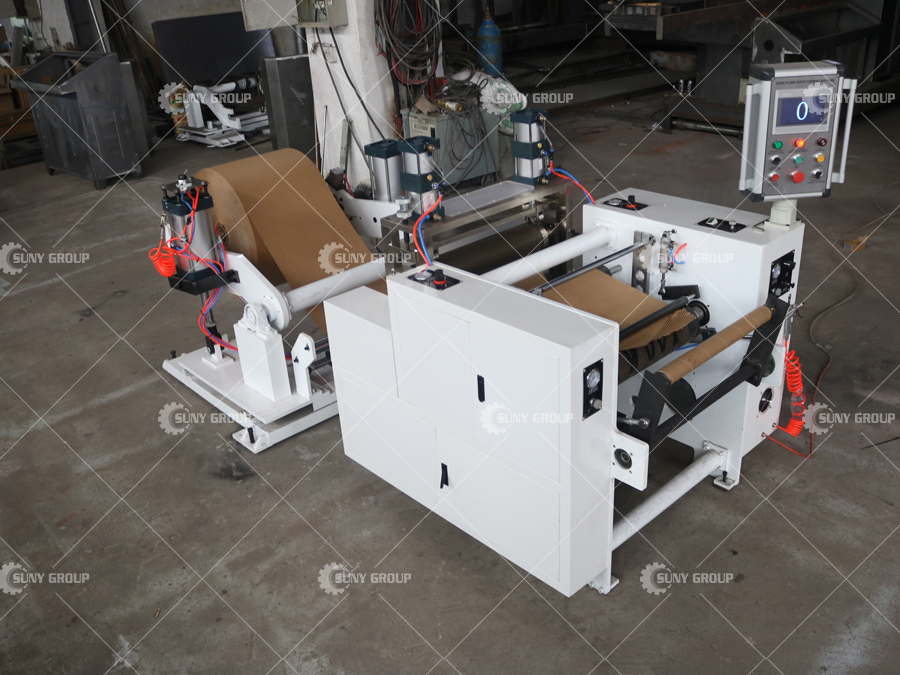
The working principle of a honeycomb paper making machine is mainly based on feeding, cutting, stretching, forming, and rewinding.
The typical process is:
- Paper feeding: Kraft paper rolls are installed on the unwinding system and fed continuously.
- Precision cutting: Special blades create carefully arranged slits or patterns in the paper.
- Stretching: Mechanical tension expands the cut paper into a three-dimensional honeycomb structure.
- Forming: The expanded paper develops uniform hexagonal cells that provide cushioning and structural support.
- Rewinding or cutting: Finished honeycomb paper can be produced in rolls or cut into specific lengths or sheets.
Automatic tension control, speed regulation, and web-guiding systems can improve production stability and finished-product consistency.
How to Choose the Right Honeycomb Paper Machine?
Before purchasing a honeycomb paper machine for packaging, consider the following factors:
- Production capacity: Choose a machine according to your daily or monthly output requirements.
- Paper specifications: Confirm compatible GSM, roll width, paper diameter, and paper type.
- Honeycomb cell size: Different products may require different expansion ratios and cell sizes.
- Automation level: Automatic feeding, tension control, cutting, rewinding, and stacking can reduce labor requirements.
- Finished product: Determine whether you need honeycomb paper rolls, sheets, wrapping paper, or other customized formats.
- Control system: PLC and user-friendly control panels can simplify operation and parameter adjustment.
- After-sales service: Spare parts availability, technical support, installation, and operator training are important for long-term operation.
- Future expansion: A modular machine with adjustable parameters can be more suitable if production requirements may increase.
Advantages of Honeycomb Paper Packaging
Honeycomb paper offers several important advantages:
- Eco-friendly and recyclable
- Lightweight and space-efficient
- Good shock absorption
- Strong compression resistance
- Flexible for irregular-shaped products
- Reduced dependence on plastic packaging
- Suitable for automated packaging operations
- Wide range of packaging applications
- Attractive natural paper appearance
- Potentially lower packaging and transportation costs
The honeycomb structure distributes impact forces and provides cushioning, making it useful for protecting fragile products during transportation.
Honeycomb paper machine for packaging is an effective solution for manufacturers entering the sustainable packaging market. By converting kraft paper into an expandable three-dimensional structure, the machine produces lightweight packaging with cushioning and protective properties. When selecting equipment, businesses should evaluate raw material specifications, production capacity, cell size, automation, finished-product requirements, and after-sales support. With the continued demand for recyclable packaging, honeycomb paper can provide a practical alternative to conventional plastic cushioning materials.