Honeycomb Paper Machine Cost for Startup
The demand for sustainable packaging is increasing as businesses look for alternatives to plastic bubble wrap, EPS foam, and other difficult-to-recycle materials. Honeycomb paper packaging is a lightweight, strong, and recyclable solution that can provide cushioning, shock absorption, and load stabilization during transportation.
For entrepreneurs planning to enter the packaging industry, understanding the honeycomb paper machine cost for startup is important. The right machine should balance investment, production capacity, automation, product quality, and future expansion rather than simply focusing on the lowest purchase price.
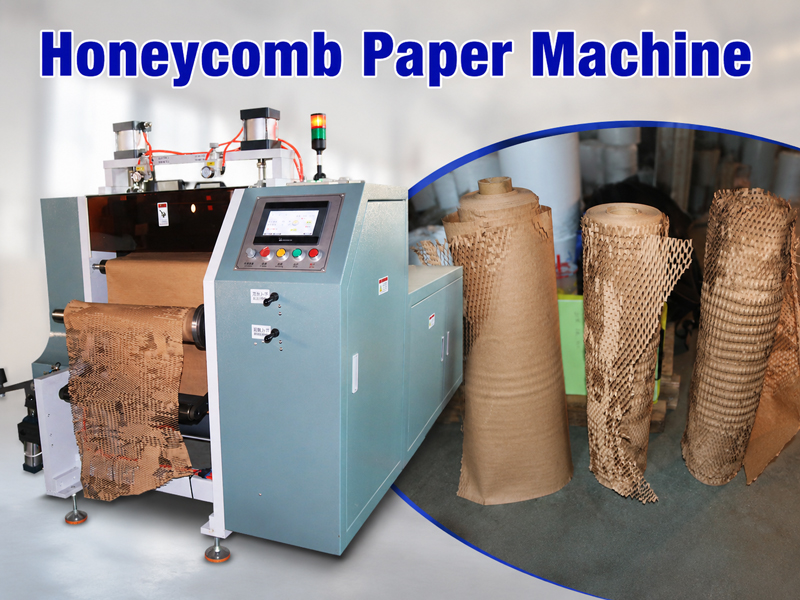
What Products Can Honeycomb Paper Packaging Protect?
Honeycomb paper is suitable for a wide variety of products because its cellular structure provides cushioning and compression resistance. Typical applications include:
- Glass and ceramic products – Used as protective sheets, corner protectors, and cushioning materials.
- Furniture – Protects tables, cabinets, panels, and other furniture components during transportation.
- Electronics and appliances – Helps reduce scratches, impact, and product movement.
- Automotive components – Suitable for protecting metal parts, precision components, and other industrial products.
- E-commerce products – Used as wrapping paper, void filling, and protective packaging.
- Artwork and fragile products – Provides lightweight protection without adding excessive shipping weight.
- Industrial packaging – Honeycomb boards, edge protectors, cradles, wedges, and other customized packaging components can be produced for different applications.
Advantages of Honeycomb Paper Packaging
Honeycomb paper has several advantages that make it attractive for startup packaging businesses:
- Lightweight: It provides structural strength without adding excessive weight.
- Good cushioning: The honeycomb structure can absorb impact and reduce product damage.
- Recyclable: Paper-based packaging can be recycled and is a practical alternative to many plastic-based protective materials.
- Flexible applications: It can be manufactured into rolls, sheets, corner protectors, pads, and customized inserts.
- Lower transportation weight: Lightweight protective packaging can help reduce freight weight.
- Easy customization: Cell size, paper thickness, width, and finished product dimensions can be adjusted according to application requirements.
These characteristics make honeycomb paper particularly attractive for e-commerce, furniture, electronics, glass, logistics, and industrial packaging.
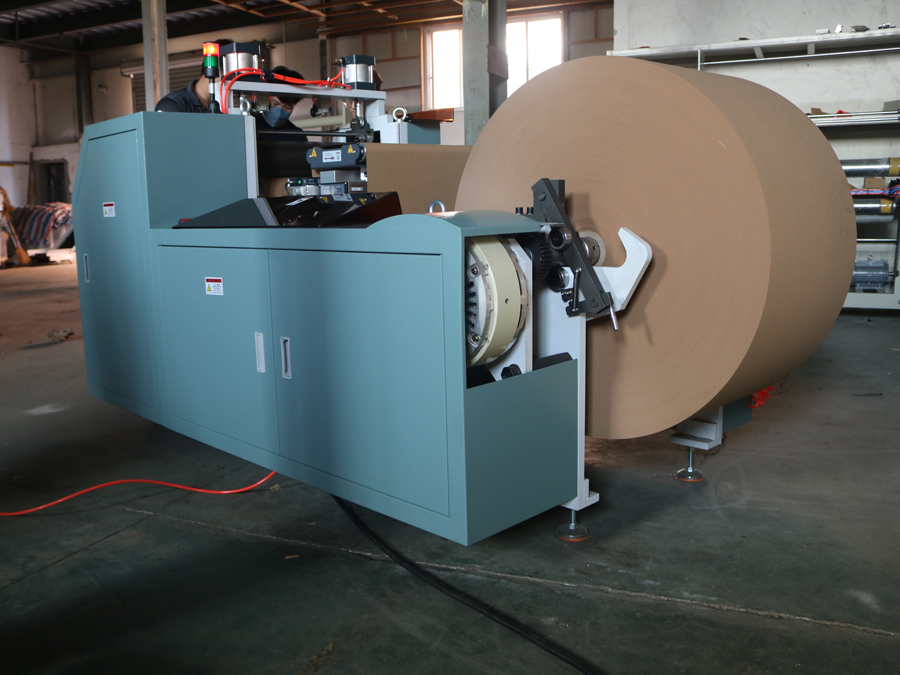
What Honeycomb Paper Machine Is Best for a Startup?
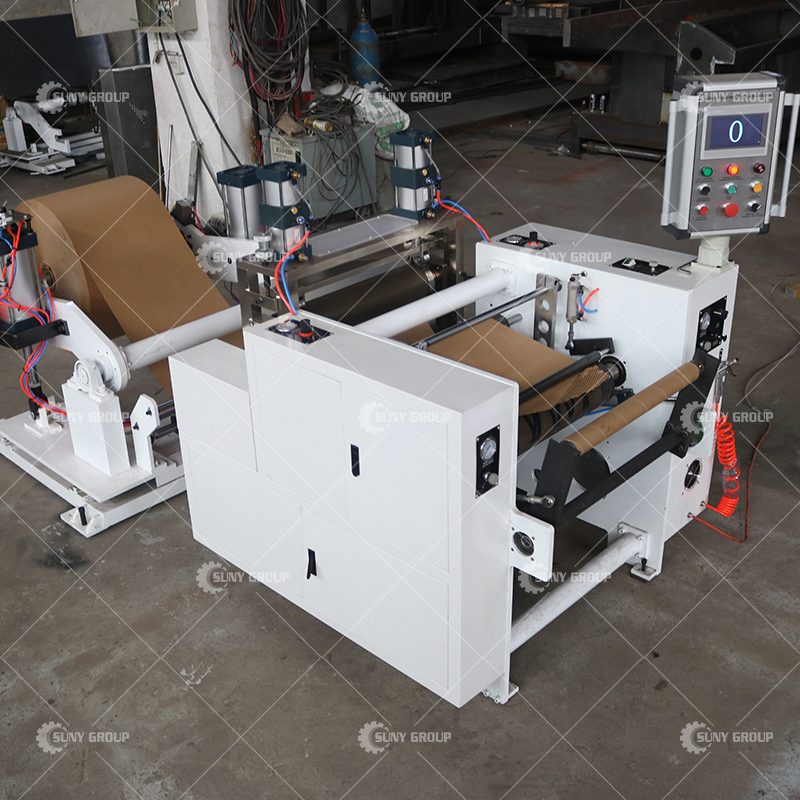
For a new business, purchasing the largest fully automatic production line is usually unnecessary unless there are already confirmed large-volume orders. A semi-automatic honeycomb paper machine is generally a more practical starting point.
A startup should consider:
- Production capacity: Select output according to confirmed or realistically expected orders.
- Automation level: Semi-automatic equipment can reduce the initial investment while maintaining reasonable production efficiency.
- Adjustable paper width: A flexible machine can serve more customers and packaging applications.
- Cell size adjustment: Different products require different cushioning and structural performance.
- Easy operation: Simple controls reduce operator training requirements.
- After-sales service: Spare parts, technical support, and installation assistance are important for a new factory.
- Expansion capability: Choose equipment that can later be combined with cutting, rewinding, or packaging equipment.
Current market listings show considerable variation in equipment prices. Small semi-automatic machines can be listed at only a few thousand dollars, while more capable machines may cost around $8,000–$25,000, depending on specifications and automation. Some automatic machines are listed around $20,000–$30,000, while large industrial honeycomb board production lines can reach hundreds of thousands of dollars.
Estimated Honeycomb Paper Machine Cost for Startup
A practical investment structure can be divided into three levels:
| Startup Type | Recommended Equipment | Approx. Machine Investment |
|---|---|---|
| Small startup | Basic/semi-automatic machine | $3,000–$8,000 |
| Medium startup | Higher-output semi-automatic or automatic machine | $8,000–$25,000 |
| Large operation | Fully automatic production line | $25,000–$100,000+ |
These figures are indicative equipment-price ranges rather than fixed quotations. Actual costs depend on machine width, production speed, automation, configuration, manufacturer, shipping, installation, and local taxes. Market listings also show some large industrial honeycomb board lines priced at $100,000–$300,000 or more, demonstrating how dramatically costs can change with production scale.
Other Startup Costs to Consider
The machine itself is not the complete startup investment. Entrepreneurs should also budget for:
- Kraft paper or recycled paper raw materials
- Adhesive and consumables
- Factory rent and electrical installation
- Cutting and rewinding equipment
- Packaging and storage
- Transportation and installation
- Spare parts and maintenance
- Labor and operator training
- Marketing and customer acquisition
Therefore, a startup should calculate total investment cost, not only the honeycomb paper machine price.
For entrepreneurs entering the sustainable packaging industry, a semi-automatic honeycomb paper machine is often a sensible starting point because it offers a lower initial investment and sufficient flexibility for small and medium orders. As sales volume increases, the business can gradually add automatic cutting, rewinding, packaging, and higher-speed production equipment.
The best honeycomb paper machine cost for startup depends on the target market, product type, expected daily output, available capital, and future expansion plans. Instead of choosing the cheapest machine, investors should select equipment that provides reliable production, suitable flexibility, manageable operating costs, and room for future growth.