Price Factors of Honeycomb Paper Making Machine
Understanding the honeycomb paper making machine price is essential for manufacturers planning to enter the eco-friendly packaging industry. Honeycomb paper machines are widely used in protective packaging, furniture manufacturing, and logistics cushioning. The following sections analyze all major factors that influence pricing and help buyers choose the right equipment.
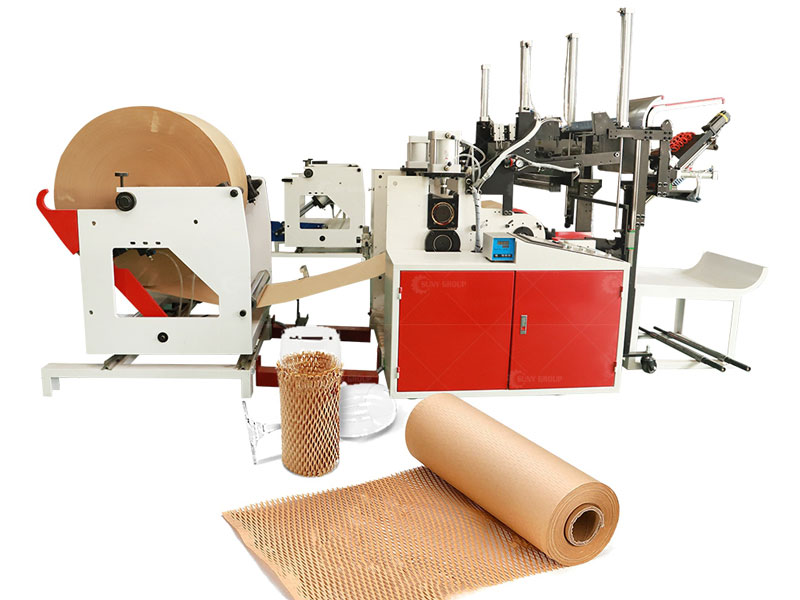
1. Overview of Honeycomb Paper Making Machines and Their Pricing Factors
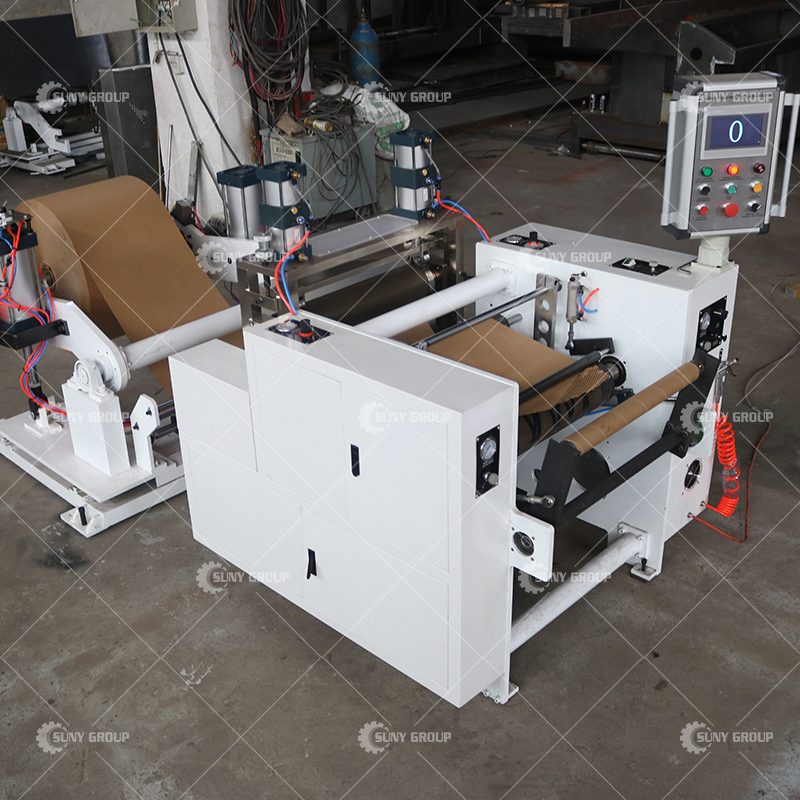
A honeycomb paper making machine converts kraft paper into strong, lightweight honeycomb structures. The price of this equipment depends on production capacity, technology level, machine materials, and automation systems. Manufacturers with strict quality standards typically offer higher-priced machines due to stable performance and longer service life.
2. Different Types of Honeycomb Paper Making Machines and Price Variations
There are several categories of machines, and each affects cost differently:
-
Basic honeycomb core machines – affordable and suitable for small factories.
-
Honeycomb board production lines – mid-range machines offering higher output.
-
Fully automatic honeycomb paperboard lines – high-end systems with precision control and advanced glue application technology.
Machine size, speed, and functional modules directly influence market pricing.
3. Key Components That Determine Honeycomb Paper Machine Price
Core components play a major role in determining the overall investment:
-
Glue applicator systems
-
Heating and drying units
-
Automatic cutting and shaping modules
-
PLC control systems
High-grade components increase accuracy, reduce downtime, and naturally raise the purchase cost.
4. Production Capacity and Automation Level Impact on Price
Machines with larger production capacity require stronger motors, wider frames, and more advanced conveyors. This results in higher equipment cost. Similarly, automation features such as auto-feeding, real-time monitoring, and error-correction sensors significantly increase the honeycomb paper making machine price, but they reduce labor costs and improve long-term profitability.
5. Comparison Between Manual, Semi-Automatic, and Fully Automatic Machines
The market generally offers three levels of machines:
-
Manual – lowest cost but requires more labor and has limited output.
-
Semi-automatic – balanced pricing with reasonable production efficiency.
-
Fully automatic – highest cost, ideal for large-scale industrial packaging manufacturers.
The choice depends on budget, production targets, and operational needs.
6. How Raw Material Requirements Affect Machine Investment Cost
Different honeycomb paper structures require different kraft paper thicknesses and glue formulations. Machines designed to handle multi-layer kraft paper or wider rolls typically have higher structural rigidity. This added engineering complexity leads to an increase in machine price.
7. Global Market Price Trends for Honeycomb Paper Making Machines
In recent years, the global demand for sustainable packaging has increased, driving steady growth in honeycomb machine investments. Prices vary by region, with China offering competitive production lines, while European suppliers focus on high-standard automation. Raw material costs and global logistics conditions also influence pricing fluctuations.
8. How to Choose a Cost-Effective Honeycomb Paper Making Machine
When selecting a machine, buyers should evaluate several criteria:
-
Total investment vs. long-term operating cost
-
Brand reputation and after-sales service
-
Machine stability and component quality
-
Ability to upgrade or customize
A cost-effective machine should provide stable output, low maintenance cost, and high compatibility with available kraft paper resources.
A clear understanding of these eight key factors helps businesses make smarter purchasing decisions. By evaluating technology level, capacity, components, and global pricing trends, buyers can accurately determine which honeycomb paper making machine offers the best value for their production needs.