Paper Tearing Machine
Paper tearing machine, also known as a paper shredder or paper tearing equipment, is widely used in packaging plants, recycling facilities, and industrial production lines. As the demand for recycled paper and eco-friendly packaging materials increases, the paper tearing machine plays an essential role in processing waste paper into reusable fibers. This article introduces the main functions of the machine, explains why it is necessary, describes its structure, outlines its production process, and highlights the characteristics of the final material.
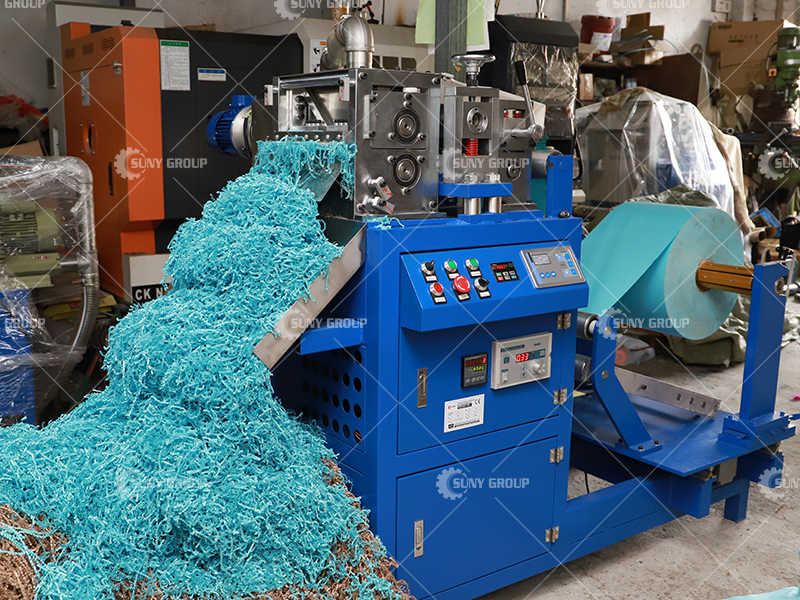
Functions of a Paper Tearing Machine
The primary function of a paper tearing machine is to break down various types of paper into smaller pieces or fiber-like materials. It can process cardboard, corrugated boxes, kraft paper, office waste, packaging paper, and printed materials. By tearing the paper continuously through mechanical force, the machine reduces its size, making it suitable for further recycling or reuse.
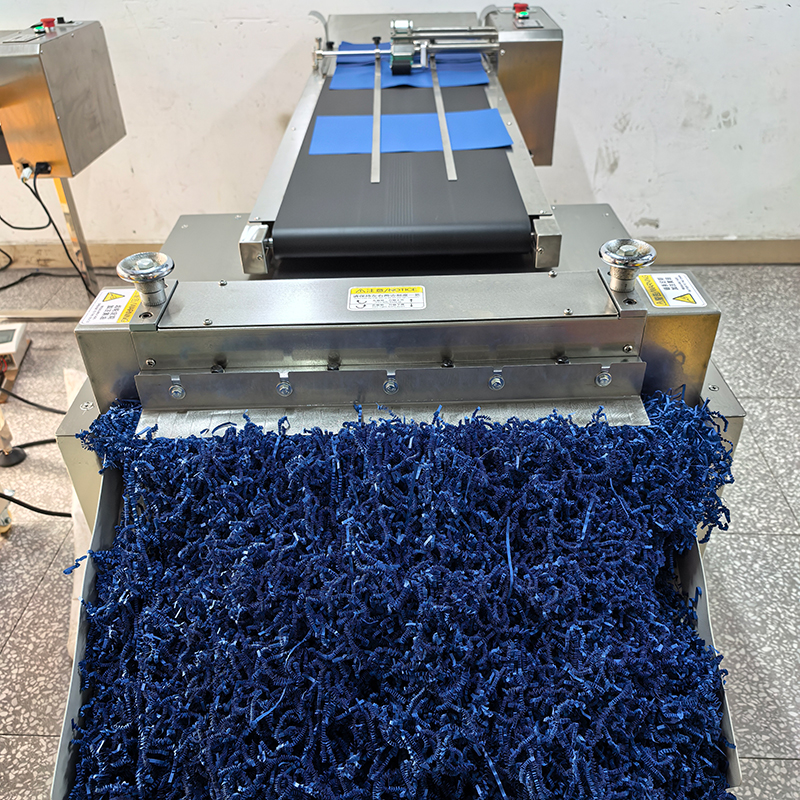
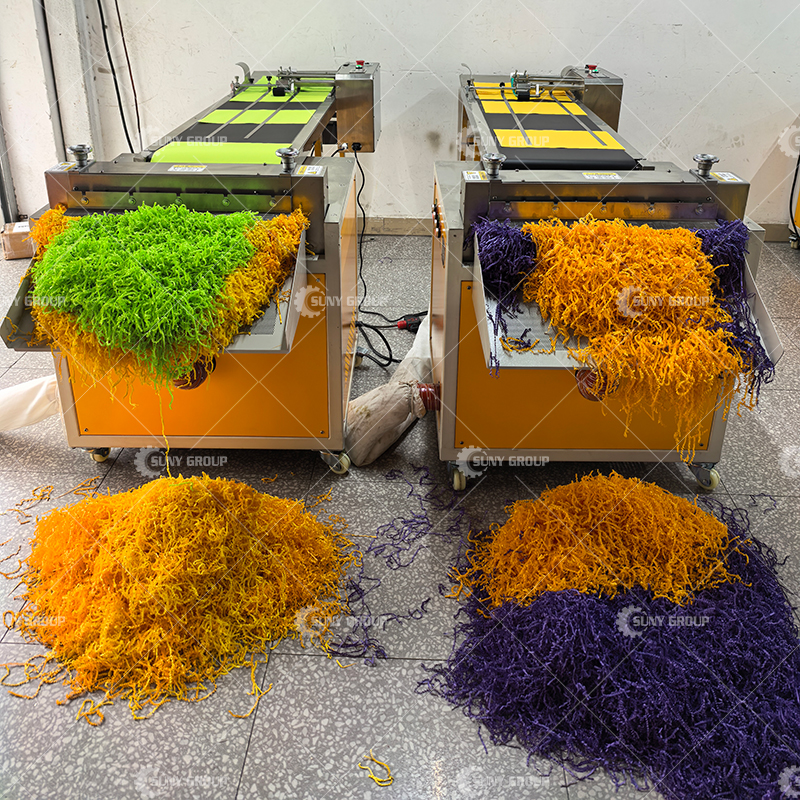
In packaging industries, the machine is also used to create cushioning materials that replace plastic fillers. These shredded materials provide protective padding for fragile goods, improving packaging sustainability and reducing waste.
Why a Paper Tearing Machine Is Necessary
Using a paper tearing machine solves several challenges in modern waste management and packaging production. First, recycling facilities need an efficient way to reduce the volume of paper waste. Tearing paper into small pieces increases its surface area, allowing easier pulping and improving recycling efficiency.
Second, many companies seek alternatives to plastic packaging fillers. Shredded paper is biodegradable, cost-effective, and widely accepted as an eco-friendly material.
Third, the machine helps businesses manage on-site waste by converting scrap paper into usable packaging materials, reducing disposal costs and supporting circular production. These benefits make the paper tearing machine essential for both environmental protection and industrial efficiency.
Introduction to the Structure of a Paper Tearing Machine
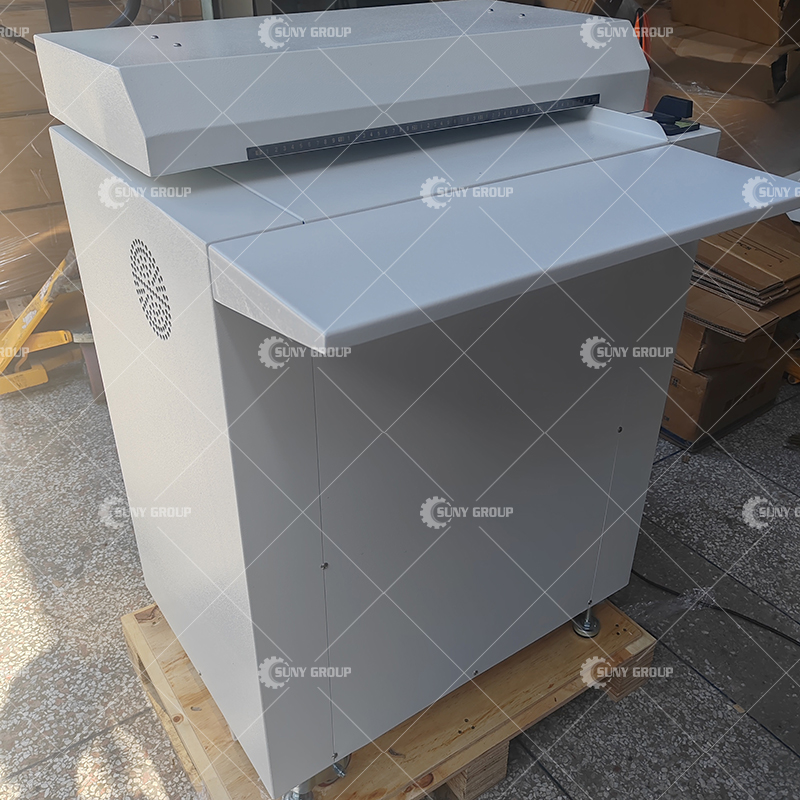
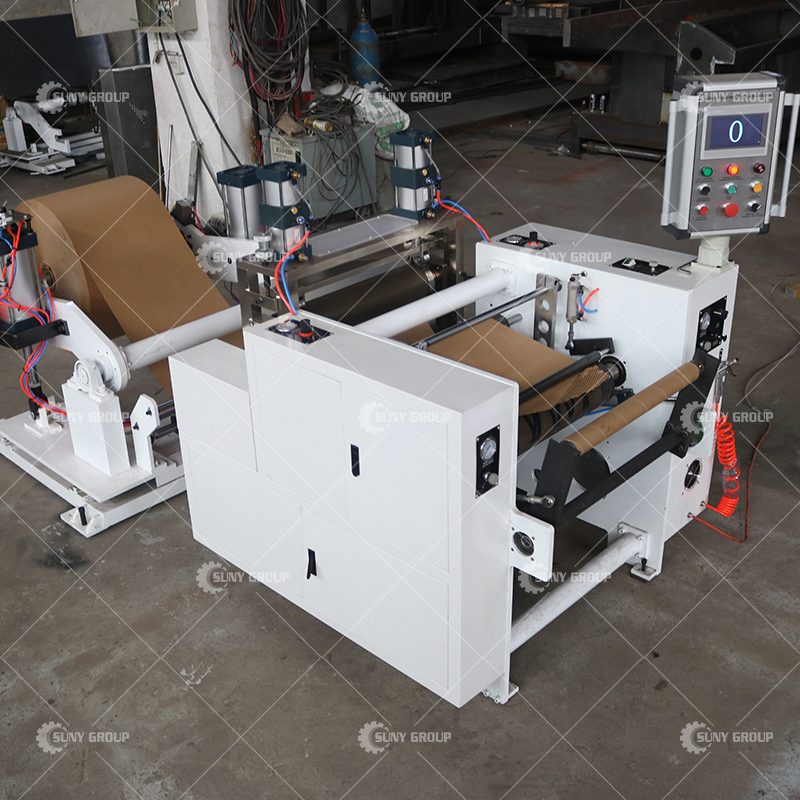
A paper tearing machine is designed with a simple but durable structure. It typically consists of a feeding hopper, a tearing chamber, high-strength rotor blades, and a stable motor and gearbox that provide continuous power. The machine may feature single-shaft or dual-shaft configurations, depending on the required tearing strength.
The frame is built from reinforced steel to withstand long hours of industrial operation. Safety devices, such as overload protection and emergency stops, ensure smooth and secure performance. Some models also include adjustable screens that control the size of the shredded paper.
Production Process of a Paper Tearing Machine
The production process begins when paper waste is fed into the hopper. Once inside the tearing chamber, the motor drives the shafts to rotate at controlled speed. The blades grip, tear, and pull the paper apart through shear force and mechanical pressure.
As the paper is torn into smaller pieces, it passes through the bottom screen or discharge outlet. If a finer output is required, the material can be reprocessed in secondary tearing equipment.
This controlled production process ensures continuous operation, consistent material size, and stable output suitable for recycling or packaging use.
Final Material Effect of the Paper Tearing Process
The final material produced by a paper tearing machine varies depending on blade design and screen configuration. It can be coarse shredded strips, fluffy paper fibers, or finely torn pieces suitable for pulping.
For recycling, the torn paper offers excellent water absorption and mixes quickly with pulp, improving fiber recovery rates. In packaging applications, the material forms lightweight, shock-absorbing cushioning that protects goods during transport.
The resulting material is clean, uniform, and ready for reuse, contributing to resource conservation and waste reduction.