Kraft Paper Wrap Manufacturing Plant Cost
With the growth of e-commerce, logistics, food delivery, retail, and sustainable packaging, kraft paper wrap has become an increasingly popular alternative to plastic-based wrapping materials. Its strength, flexibility, recyclable properties, and natural appearance make kraft paper suitable for wrapping products, protecting goods, filling packages, and creating customized packaging. For investors, understanding the kraft paper wrap manufacturing plant cost, production process, equipment requirements, and operating expenses is essential before starting a new project.
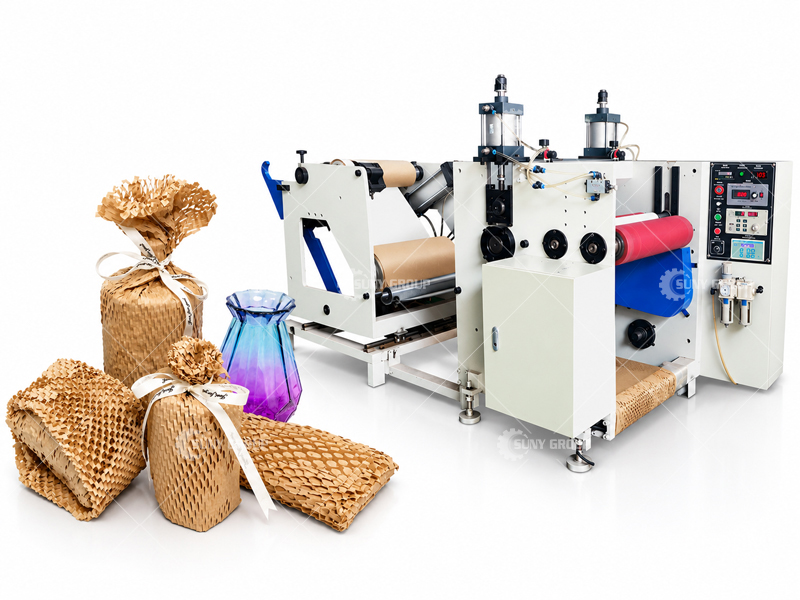
1. Why Is Kraft Paper Suitable for Packaging?
Kraft paper is widely used for packaging because it combines mechanical strength with relatively low weight. Compared with many conventional packaging materials, it offers several practical advantages:
- High strength: Kraft paper has good tensile and tear resistance, making it suitable for wrapping and protecting products during transportation.
- Lightweight: Its relatively low weight can help reduce packaging material and transportation loads.
- Recyclability: Paper packaging can generally enter established paper-recycling streams when it is appropriately designed and free from problematic contaminants.
- Flexible applications: Kraft paper can be used for wrapping paper, paper bags, protective packaging, void filling, food-service packaging, and industrial packaging.
- Natural appearance: Its brown, fibrous appearance provides a simple packaging style that is widely associated with paper-based and sustainable packaging.
- Easy customization: Kraft paper can be printed, cut, folded, coated, or converted into different packaging formats.
These characteristics explain why kraft paper remains an important material for packaging applications.
2. How to Build a Kraft Paper Wrap Manufacturing Plant?
A complete kraft paper wrap manufacturing plant should be planned according to the target paper grade, raw material, production capacity, and finished-product format. A typical project can include the following stages:
Step 1: Choose Raw Materials
The main options include virgin wood pulp, recycled paper/OCC, or other suitable fiber sources. The selection affects paper strength, appearance, production technology, equipment configuration, and operating cost. Fiber is generally one of the largest cost components in paper production.
Step 2: Prepare and Pulp the Fiber
Raw materials are fed into pulping equipment to produce a fiber slurry. Screening and cleaning systems then remove unwanted materials. Refining can be used to develop the fiber properties required for the target kraft paper grade.
Step 3: Form and Dry the Paper
The prepared pulp is distributed through the headbox onto the forming section. The sheet then passes through pressing and drying sections to remove water and achieve the required moisture level. A calender can subsequently improve surface properties.
Step 4: Rewind, Cut and Convert
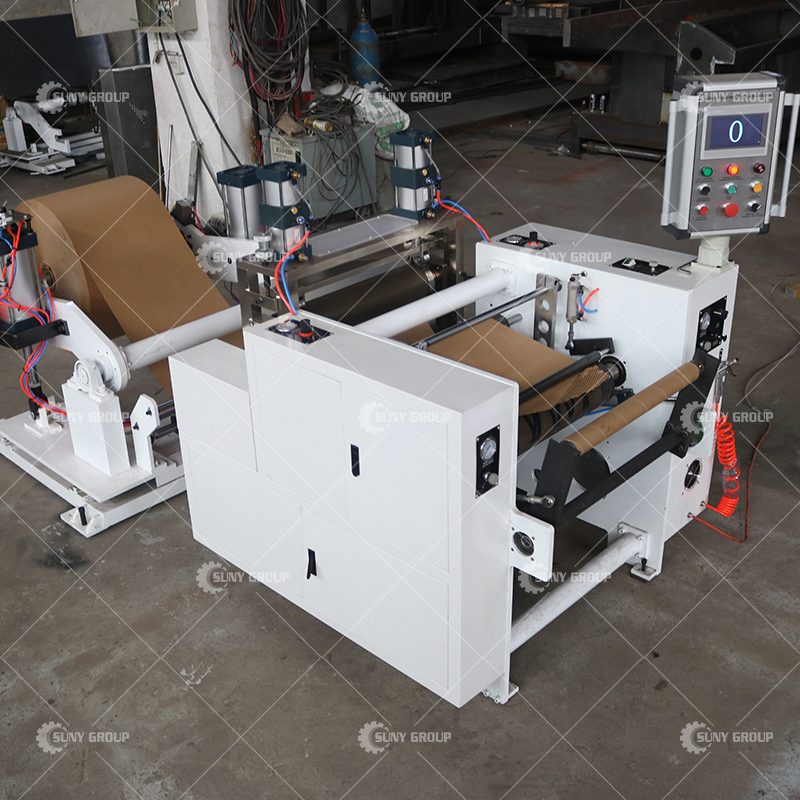
After paper production, the finished web is rewound into rolls. Depending on the business model, the plant can add slitting, cutting, rewinding, printing, or wrapping-paper converting equipment to produce different finished sizes.
Step 5: Quality Control and Packaging
The finished kraft paper should be tested for grammage, moisture, tensile strength, tear resistance, dimensions, and other customer specifications before being packed and shipped.
3. Main Equipment Required
A typical plant may include:
- Pulping system
- Screening and cleaning equipment
- Refiner
- Headbox and forming section
- Press section
- Dryer section
- Calender
- Paper reel
- Rewinder and slitter
- Cutting/converting machine
- Boiler and steam system
- Water-treatment system
- Effluent-treatment plant
- Laboratory and testing equipment
The exact configuration depends strongly on whether the plant uses virgin pulp or recycled fiber and whether it manufactures paper rolls or finished wrapping products.
4. Kraft Paper Wrap Manufacturing Plant Cost
There is no single fixed kraft paper wrap manufacturing plant cost, because project investment varies significantly according to capacity, technology, location, raw materials, automation, and product specifications.
As an indicative 2026 reference, one industry estimate places total investment for kraft-paper manufacturing projects in India at approximately INR 20–150 crore for capacities of about 50–300+ TPD. This should be treated as an initial benchmark rather than a quotation for a specific project.
For a complete project, the major investment categories normally include:
| Cost Item | Main Factors |
|---|---|
| Land and construction | Location, plant size and building specifications |
| Paper machine | Capacity, width, speed and automation |
| Pulping system | Virgin pulp or recycled fiber |
| Utilities | Electricity, boiler, steam and water |
| ETP and water treatment | Environmental requirements and water consumption |
| Finishing equipment | Rewinding, cutting, slitting and printing |
| Installation | Engineering, transportation and commissioning |
| Working capital | Raw materials, labor, inventory and receivables |
For larger plants, the paper machine and pulping system can represent a major portion of capital expenditure, while power, steam, water treatment, and environmental systems also require substantial investment.
5. What Factors Affect Kraft Paper Manufacturing Cost?
The kraft paper manufacturing cost is mainly influenced by five factors:
- Raw material cost: Fiber is often the largest operating-cost component, so pulp or recycled-paper prices have a direct effect on production economics.
- Energy consumption: Pulp preparation, pressing, and especially paper drying require substantial electricity and thermal energy.
- Production capacity: A larger plant requires higher initial investment but may achieve better equipment utilization and economies of scale.
- Automation level: Automatic control systems increase initial investment but can improve process consistency, labor efficiency, and production control.
- Location and logistics: Transportation of raw materials and finished paper can significantly affect the total cost, particularly for heavy, high-volume materials.
Kraft paper wrap manufacturing plant can be designed as a small converting facility or as a complete paper mill, depending on the investment budget and target market. Kraft paper is well suited to packaging because of its strength, flexibility, recyclability, lightweight characteristics, and broad application range. Before determining the final kraft paper wrap manufacturing plant cost, investors should define the production capacity, raw material, paper grade, automation level, plant location, utility requirements, and finished-product specifications. A detailed feasibility study and equipment quotation are therefore essential for developing an accurate project budget.