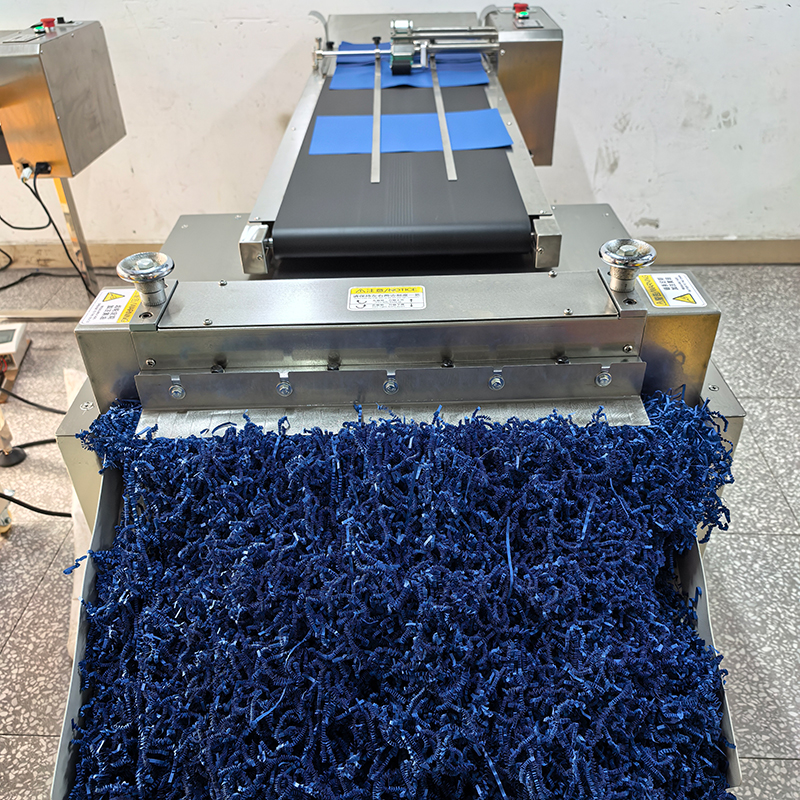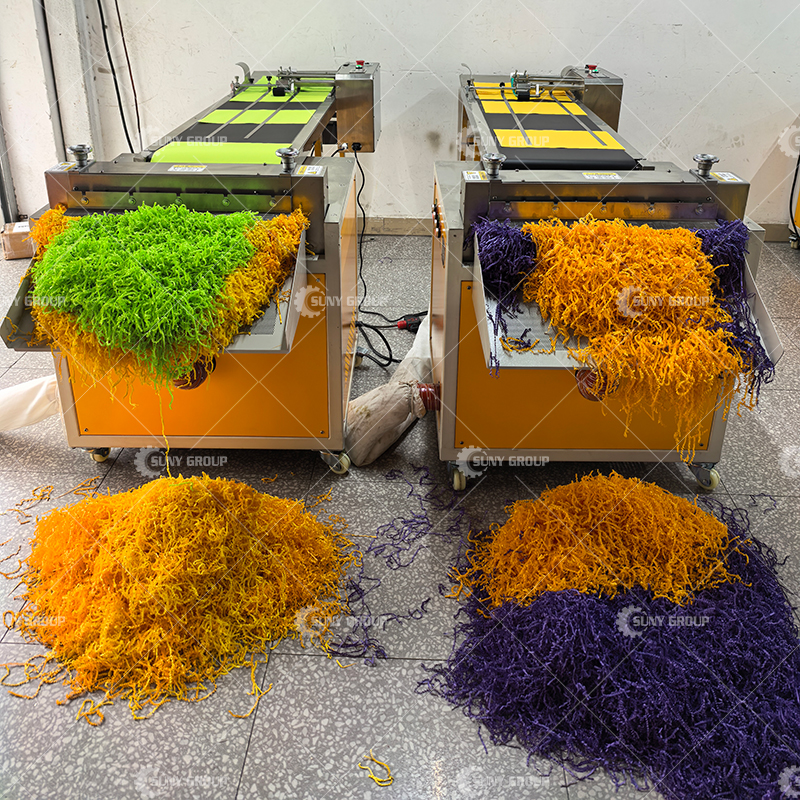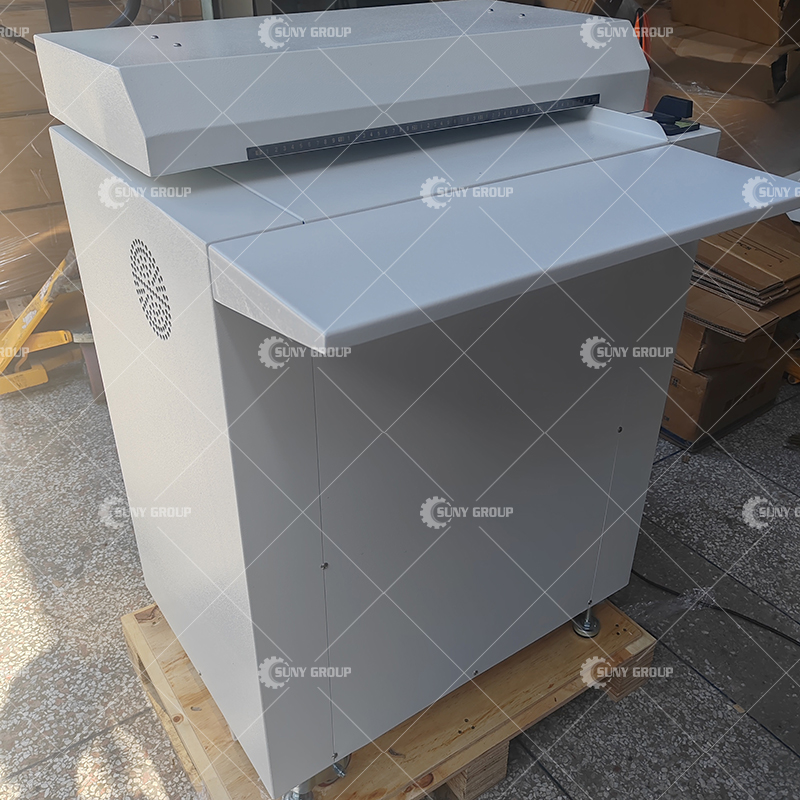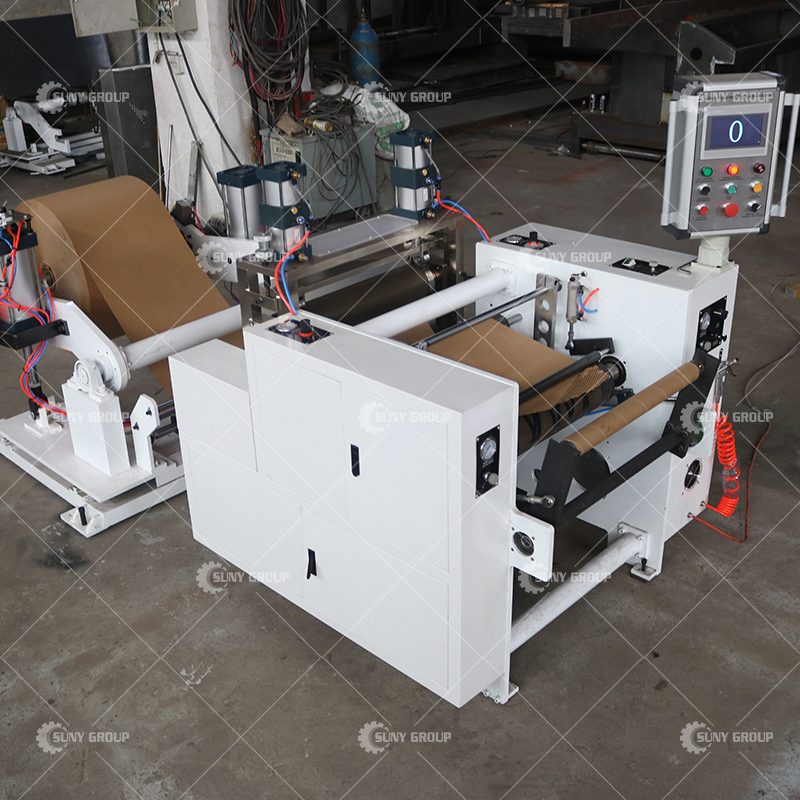
Honeycomb Paper Cutting Machine
As sustainable packaging continues to replace plastic-based protective materials, honeycomb paper has become increasingly popular in e-commerce, logistics, retail, furniture, and gift packaging. Efficient converting equipment is therefore essential for businesses that need to produce different paper sizes and formats. Honeycomb Paper Cutting Machine provides an efficient solution for cutting and processing expanded honeycomb paper according to specific packaging requirements.
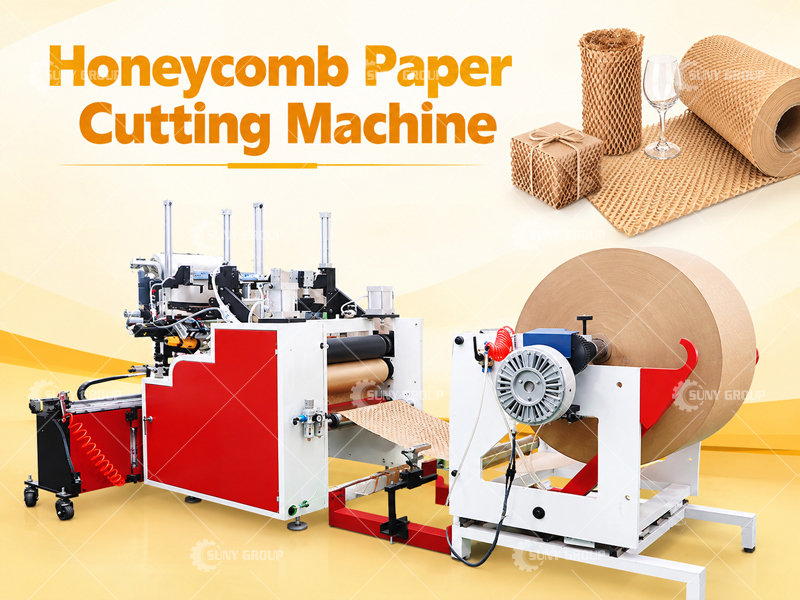
1. What Is a Honeycomb Paper Cutting Machine?
Honeycomb Paper Cutting Machine is specialized equipment designed to cut, size, and convert honeycomb wrapping paper into practical packaging materials. Honeycomb paper is produced by expanding specially structured kraft paper, creating a three-dimensional cellular pattern that provides cushioning and protection.
Compared with manual cutting, an automatic honeycomb paper cutting machine can provide more consistent dimensions and higher production efficiency. Depending on the machine configuration, users can set the required cutting length, width, or working mode to meet different packaging requirements.
Typical applications include:
- Protective packaging
- Gift wrapping
- Product cushioning
- Void filling
- Glass and ceramic packaging
- E-commerce packaging
2. How Does a Honeycomb Paper Cutting Machine Work?
The working process is relatively straightforward. The paper roll is first installed on the feeding system and continuously transferred into the cutting section. The machine then expands or processes the honeycomb paper before cutting it to the preset size.
A typical working process includes:
Paper Roll Loading → Automatic Feeding → Honeycomb Paper Expansion → Length Setting → Cutting → Finished Product Collection
The cutting system can be adjusted according to the required product dimensions. Automatic feeding and length control help reduce manual operation and improve production consistency.
For businesses handling large packaging volumes, continuous feeding and automatic cutting can significantly improve production efficiency compared with manual processing.
3. Key Features and Machine Configuration
A modern Honeycomb Paper Cutting Machine generally combines feeding, expansion, cutting, control, and collection systems into one production unit.
Important components may include:
- Paper Feeding System – continuously supplies kraft paper to the processing section.
- Expansion System – expands the honeycomb structure to the required format.
- Cutting Unit – cuts the material according to preset dimensions.
- Control System – allows operators to adjust cutting length and operating parameters.
- Conveyor or Collection System – transfers finished honeycomb paper for packaging or further processing.
- Safety Protection System – helps protect operators around moving mechanical components.
Depending on production requirements, machines can also be customized for different paper widths, cutting lengths, automation levels, and production capacities.
4. What Materials Can the Machine Process?
The main material processed by this equipment is honeycomb kraft paper. Different paper grades and specifications can be selected according to the required packaging performance.
Common material options include:
- Kraft paper honeycomb rolls
- Recycled paper-based packaging material
- Lightweight honeycomb wrapping paper
- Different-width honeycomb paper rolls
Material thickness, roll width, paper strength, and expansion ratio can affect the machine configuration and final packaging performance. Therefore, users should select equipment based on the characteristics of their raw materials rather than focusing only on machine speed.
5. Applications of Cut Honeycomb Paper
Cut honeycomb paper has a wide range of applications because its three-dimensional structure provides cushioning while using relatively little raw material.
Common applications include:
- E-commerce: wrapping products during transportation.
- Gift packaging: improving the appearance and protection of packaged products.
- Glassware: reducing direct impact between fragile products and packaging boxes.
- Ceramics: providing additional cushioning during shipping.
- Furniture: protecting surfaces and corners from scratches.
- Logistics: filling empty spaces and reducing product movement inside cartons.
- Retail packaging: providing an environmentally friendly alternative to some plastic protective materials.
Its lightweight structure also makes honeycomb paper convenient for storage, handling, and transportation.
6. How to Choose the Right Honeycomb Paper Cutting Machine?
Choosing the right Honeycomb Paper Cutting Machine requires consideration of both production requirements and raw material specifications. Before purchasing equipment, buyers should evaluate:
- Paper width – Select a machine compatible with the required working width.
- Cutting length – Confirm whether the machine can achieve the required finished sizes.
- Production capacity – Match machine output with daily packaging demand.
- Automation level – Automatic feeding and cutting are useful for high-volume production.
- Paper specifications – Check compatibility with paper thickness, roll diameter, and paper type.
- Customization options – Consider special requirements for packaging size, control systems, and production layout.
- After-sales service – Technical support, spare parts, installation, and operator training can affect long-term operation.
For small packaging businesses, a compact honeycomb paper cutting machine may be sufficient. Larger packaging manufacturers may require a high-speed automatic system with continuous feeding and integrated cutting.
Conclusion
Honeycomb Paper Cutting Machine provides an efficient way to convert honeycomb kraft paper into protective packaging materials for modern logistics and packaging applications. With automatic feeding, precise cutting, adjustable parameters, and flexible configurations, the equipment can help businesses improve packaging efficiency while reducing dependence on traditional plastic protective materials. Selecting the machine according to paper specifications, production capacity, finished size, and automation requirements is essential for achieving stable and efficient production.