Full Automatic Crinkle Paper Machine Cost
Full automatic crinkle paper machine cost is a critical consideration for packaging manufacturers, recycling businesses, and eco-friendly product suppliers. As demand for sustainable packaging continues to rise, crinkle paper has become a popular alternative to plastic fillers. Understanding the machine’s structure, output capacity, and cost drivers helps buyers make informed investment decisions.
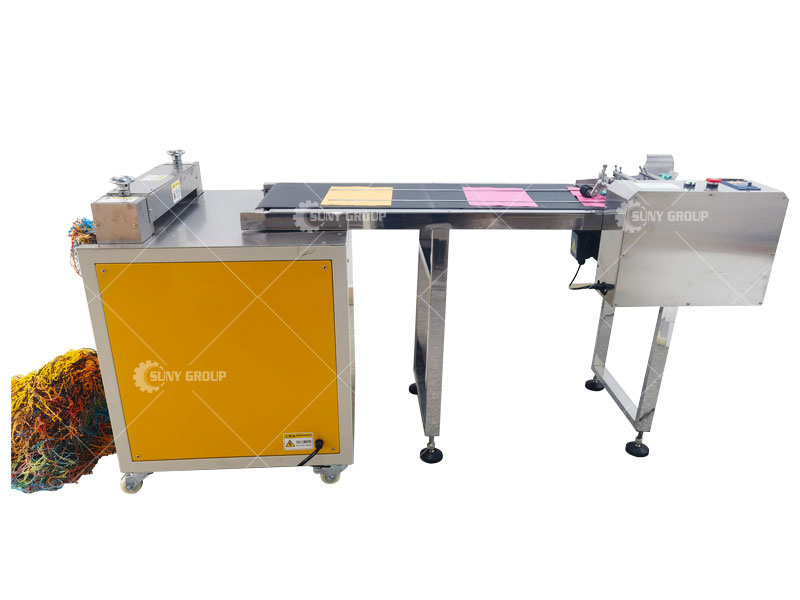
What Is a Full Automatic Crinkle Paper Machine
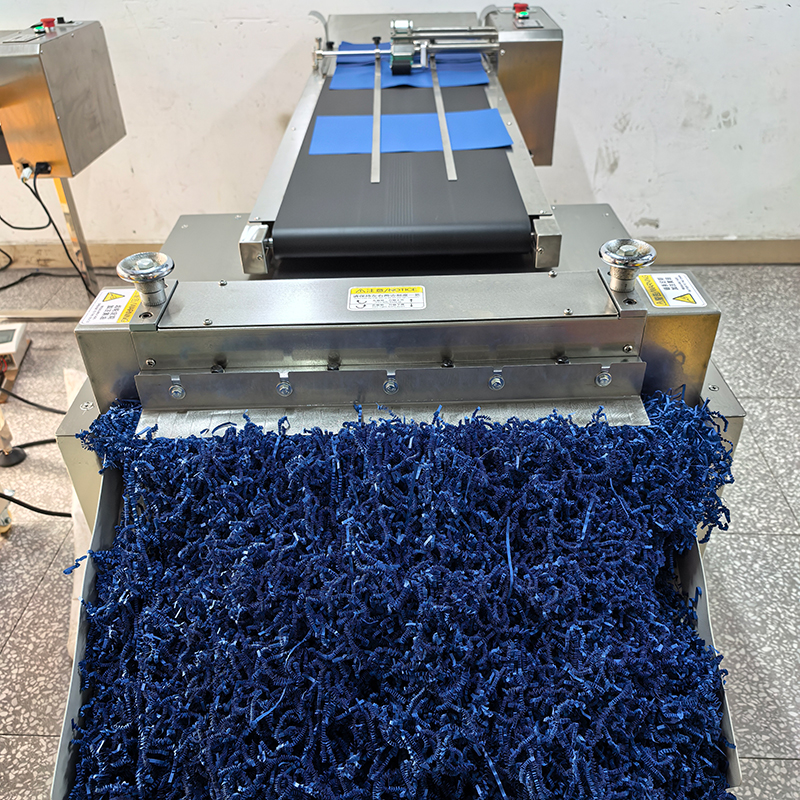
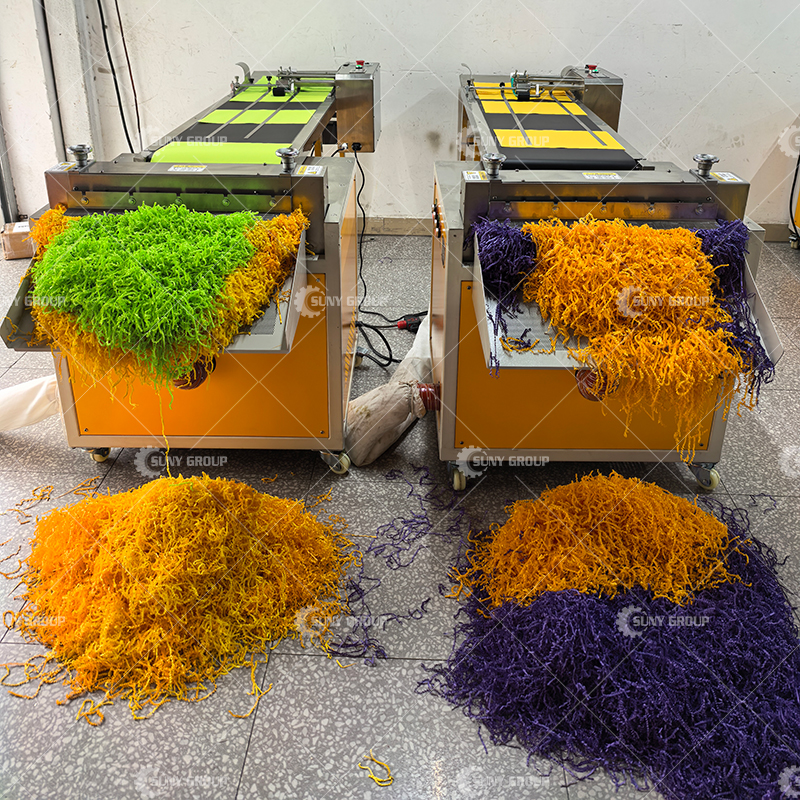
A full automatic crinkle paper machine is an industrial system designed to convert kraft paper rolls or recycled paper into crinkle-cut paper strips. These strips are widely used as protective and decorative packaging materials. Unlike semi-automatic models, a fully automatic crinkle paper machine integrates feeding, cutting, crinkling, counting, and collecting processes into one continuous production line.
The high automation level ensures stable output, consistent quality, and reduced manual intervention, making it ideal for medium to large-scale packaging operations.
Key Factors Affecting Full Automatic Crinkle Paper Machine Cost
The cost of a full automatic crinkle paper machine varies significantly depending on several factors:
-
Automation Level
Fully automated systems with PLC control, touch screens, and intelligent sensors typically cost more than basic models but offer higher efficiency and lower labor costs. -
Machine Configuration
Machines equipped with automatic feeding systems, dust collection units, and finished-product stacking devices generally have a higher initial price. -
Material Compatibility
Machines capable of processing multiple paper thicknesses or recycled materials often require reinforced blades and motors, increasing cost. -
Brand and Manufacturing Quality
High-quality steel structures, imported electrical components, and precision cutting systems contribute to higher durability and a higher price point. -
Customization Requirements
Customized output width, crinkle depth, or speed adjustments can also influence overall machine cost.
Production Capacity and Output Range
Production capacity is one of the most important factors linked to full automatic crinkle paper machine cost.
-
Small-scale machines: 50–100 kg/hour
-
Medium-capacity machines: 200–300 kg/hour
-
High-output industrial machines: 500 kg/hour or more
Higher output machines require stronger motors, advanced transmission systems, and enhanced cooling solutions, which directly impact the final price. Buyers should match capacity with actual production needs to optimize return on investment.
Structure and Main Components of the Machine
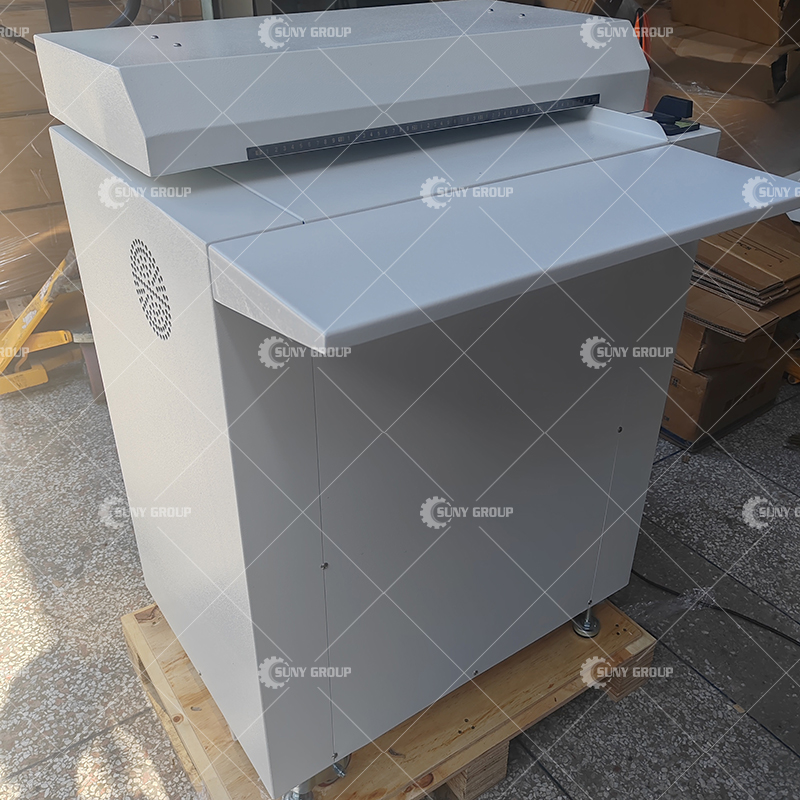
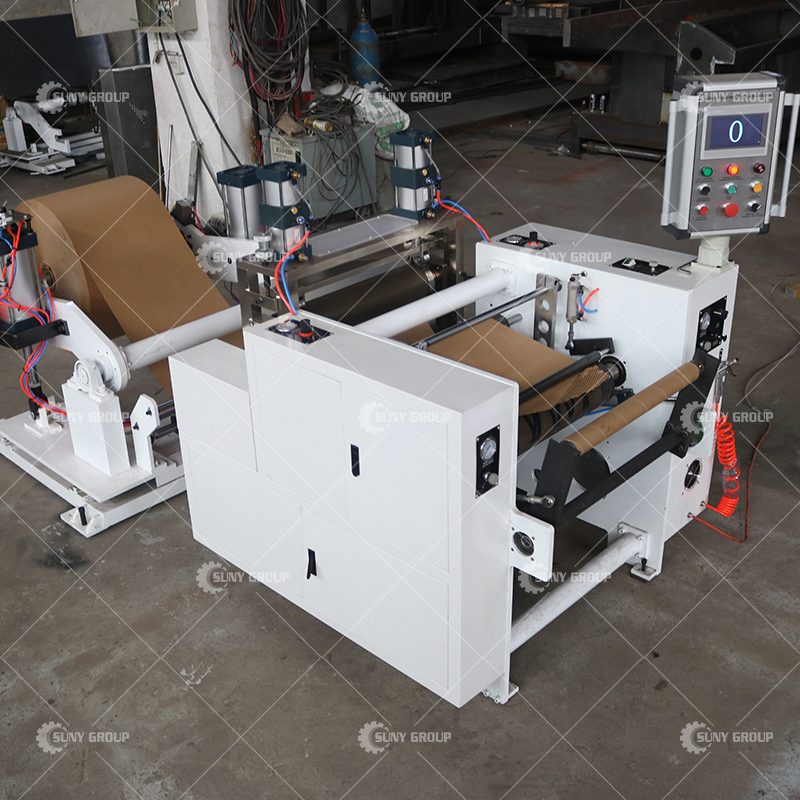
A full automatic crinkle paper machine typically consists of the following core components:
-
Automatic Paper Feeding Unit: Ensures continuous and stable paper input
-
Crinkle Cutting System: Precision blades create uniform crinkle patterns
-
Transmission System: Gearbox or belt-driven system for speed control
-
Electrical Control System: PLC and touchscreen interface for real-time monitoring
-
Collection and Packing Unit: Automatically gathers finished crinkle paper
The quality and durability of these components play a major role in machine cost, operational stability, and service life.
Application Industries of Crinkle Paper
Crinkle paper produced by full automatic machines is widely used across multiple industries:
-
E-commerce Packaging: Cushioning and void filling for shipping boxes
-
Gift and Luxury Packaging: Decorative paper for premium product presentation
-
Food and Beverage Packaging: Eco-friendly filler for wine, fruit, and specialty food boxes
-
Cosmetics and Personal Care: Protective packaging with aesthetic appeal
-
Handmade and Craft Industries: Creative and sustainable material use
As global packaging regulations increasingly favor recyclable materials, demand for crinkle paper continues to grow, improving the economic value of investing in automated production equipment.
The full automatic crinkle paper machine cost depends on automation level, production capacity, structural configuration, and application requirements. While the initial investment may be higher than semi-automatic alternatives, the long-term benefits—including lower labor costs, higher efficiency, and consistent product quality—make it a smart choice for sustainable packaging businesses. Selecting the right configuration ensures faster payback and long-term profitability.