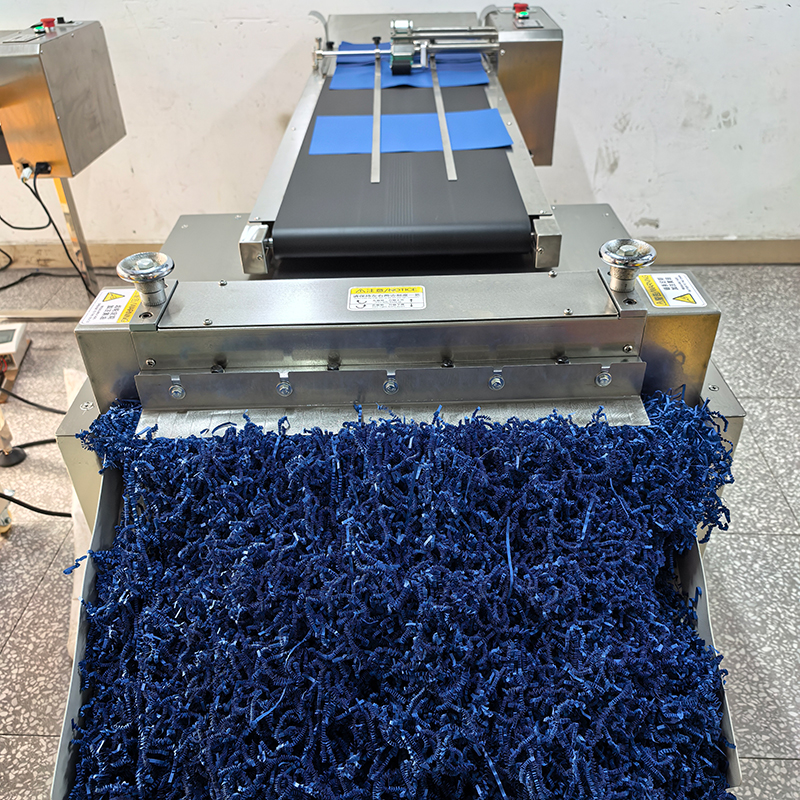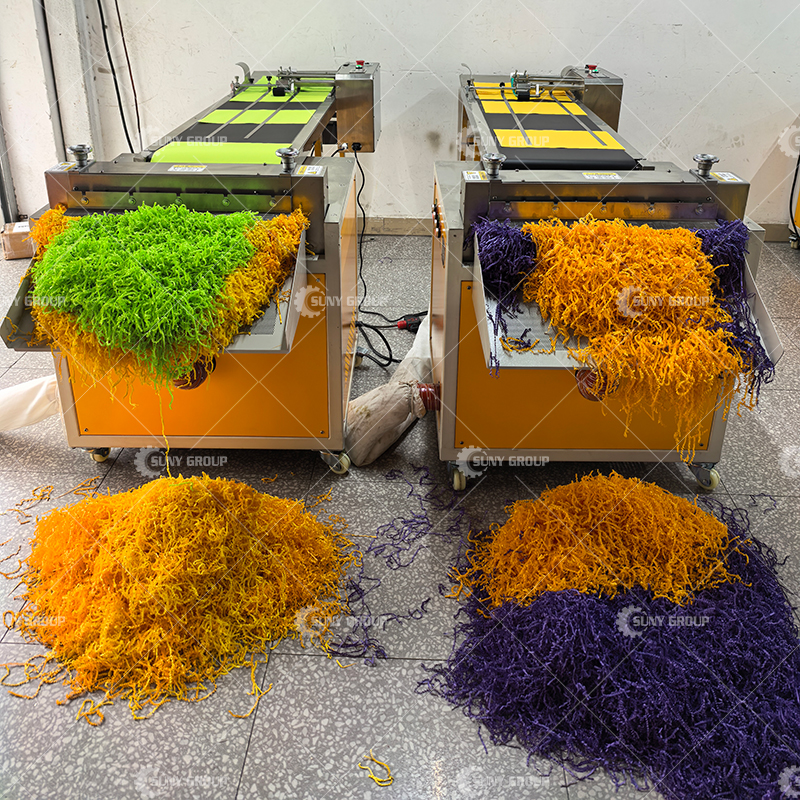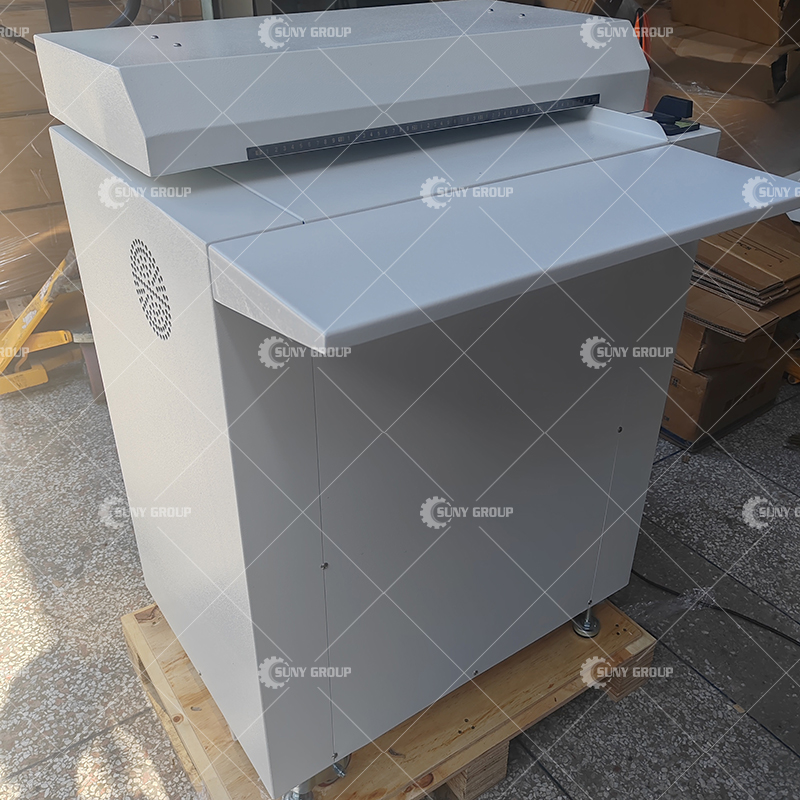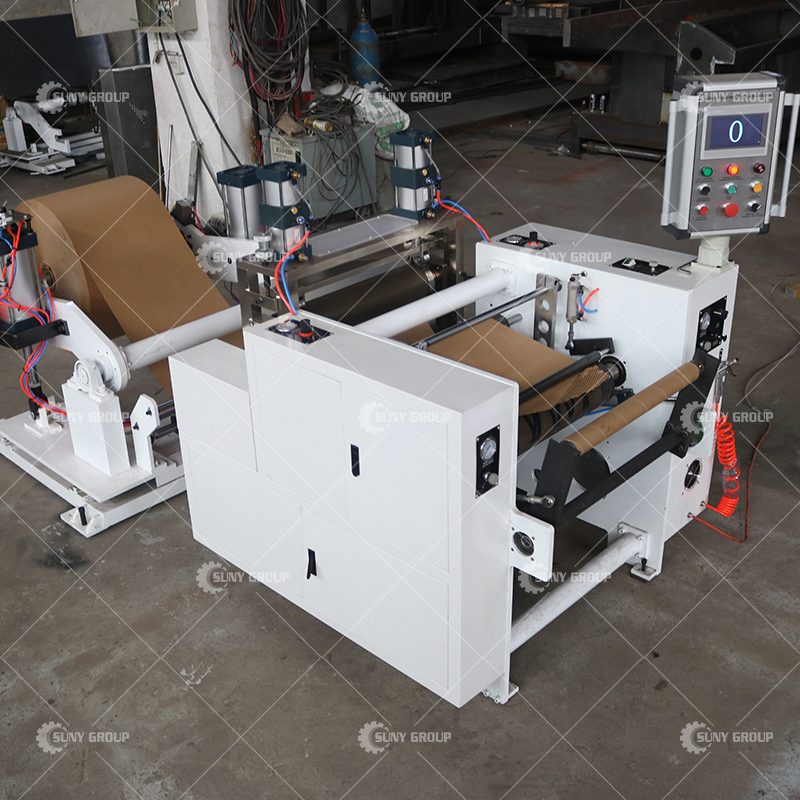
Crinkle Paper Machine
With the rapid growth of e-commerce, logistics, and eco-friendly packaging, crinkle paper has become a popular protective and decorative packaging material. Crinkle Paper Machine is specifically designed to produce high-quality crinkle paper efficiently and sustainably. This article explains the role of crinkle paper, how it is produced, how to choose the right machine, the working process of the machine, and the main application fields.
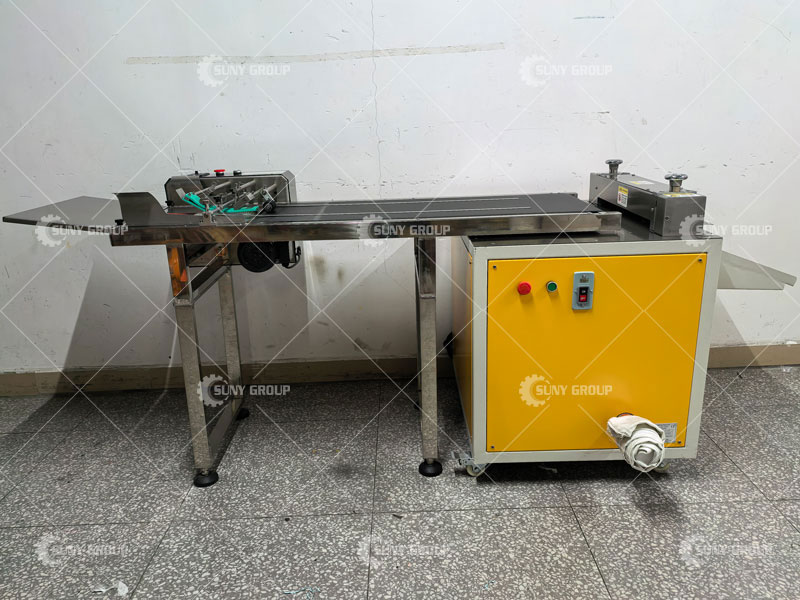
1. The Function of Crinkle Paper
Crinkle paper is a flexible, lightweight, and environmentally friendly packaging material. Its main functions include:
-
Cushioning and shock absorption to protect products during transportation
-
Filling empty spaces inside cartons to prevent movement
-
Surface protection against scratches and minor impacts
-
Decorative enhancement for gift boxes and premium packaging
-
Eco-friendly alternative to plastic fillers such as bubble wrap
Due to its recyclability and biodegradability, crinkle paper plays an important role in sustainable packaging solutions.
2. How Crinkle Paper Is Produced
Crinkle paper is typically made from kraft paper, recycled paper, or colored paper rolls. The production process involves mechanical cutting, embossing, and crinkling to form an elastic, honeycomb-like or zigzag structure. This special structure gives crinkle paper its excellent cushioning performance and visual appeal.
The production process is fully mechanical, requires no chemicals, and supports the use of recycled raw materials, making it both cost-effective and environmentally responsible.
3. How to Choose the Right Crinkle Paper Machine
Selecting the correct crinkle paper machine is essential for stable production and consistent quality. Key factors to consider include:
-
Raw material compatibility: Suitable for kraft paper, recycled paper, or colored paper
-
Production capacity: Match machine output with packaging demand
-
Crinkle style: Different blade and roller designs create various crinkle patterns
-
Automation level: Manual feeding or fully automatic operation
-
Energy efficiency: Low power consumption for long-term cost savings
-
Maintenance and durability: Robust structure and easy blade replacement
A properly selected crinkle paper machine improves productivity and reduces operating costs.
4. Working Process of a Crinkle Paper Machine
The working flow of a crinkle paper machine is simple and highly efficient:
-
Paper rolls are loaded onto the feeding system.
-
The paper passes through precision cutting blades to form narrow strips.
-
Crinkling rollers stretch and emboss the paper to create the elastic structure.
-
Finished crinkle paper is shaped, loosened, and discharged continuously.
-
The output can be directly used or packed for storage and distribution.
This automated process ensures uniform crinkle texture, stable output, and minimal paper waste.
5. Application Fields of Crinkle Paper
Crinkle paper is widely used across various industries, including:
-
E-commerce and logistics packaging for fragile products
-
Gift and luxury packaging for cosmetics, wine, and accessories
-
Food and beverage packaging for bottles and jars
-
Handicrafts and DIY projects
-
Promotional and seasonal packaging such as holiday gift boxes
Its versatility, low cost, and eco-friendly nature make crinkle paper a preferred packaging material worldwide.
Crinkle Paper Machine is a key piece of equipment for producing sustainable, attractive, and protective packaging materials. By understanding the function of crinkle paper, the production process, machine selection criteria, working flow, and application fields, businesses can optimize packaging efficiency while supporting environmental goals. As demand for green packaging continues to grow, crinkle paper machines will remain an essential solution in modern packaging industries.